
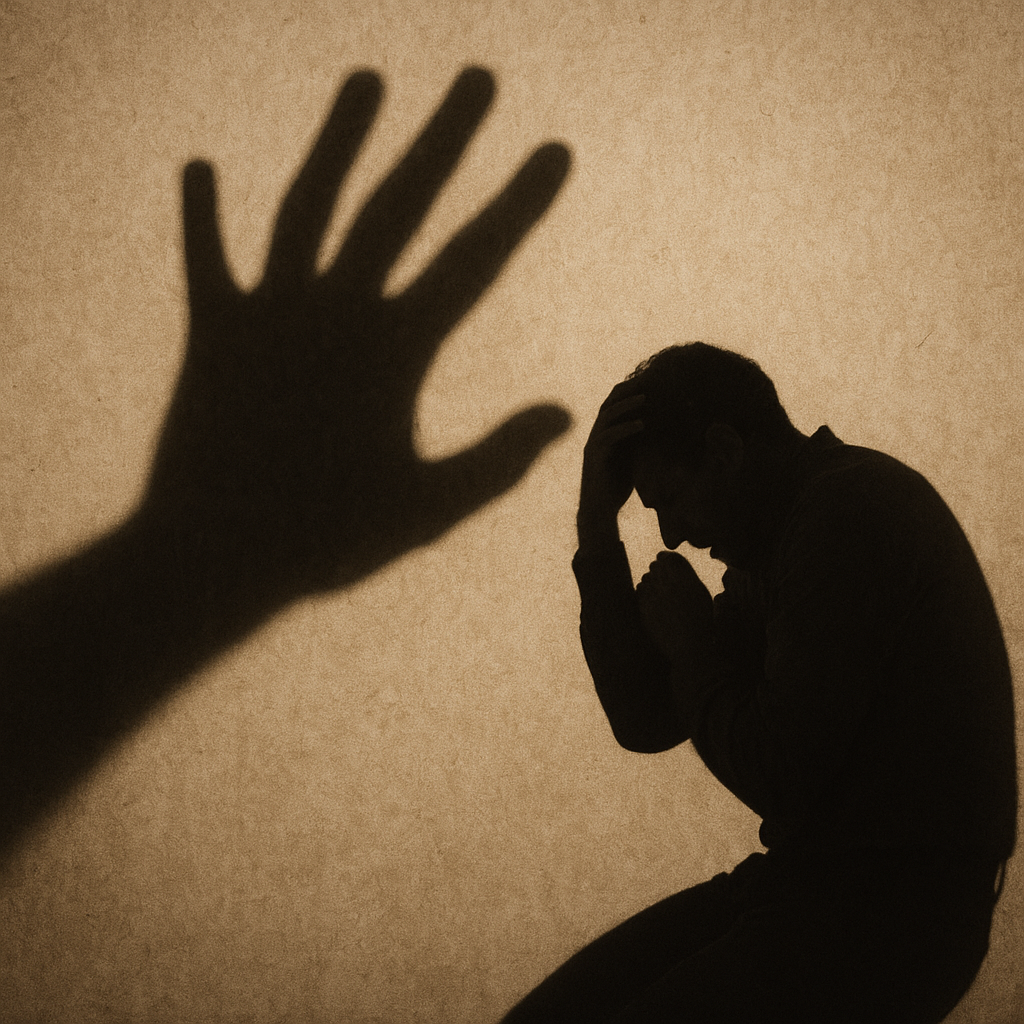
Before I was cheated on, I didn’t think too much about it. Seeing politicians get embroiled in cheating scandals was a frivolous source of entertainment. It seemed like just another piece of gossip, a fleeting distraction from the more serious aspects of life. Therefore, I don’t blame those who have been lucky enough to have never faced such perfidy for not understanding the pain.
It was only when I became the one betrayed that my perspective changed. Suddenly, I understood how deeply infidelity wounds, how it upends your sense of reality, and why it is not just a personal failing but a profound form of emotional abuse.
The minute somebody has a deceptive, compartmentalised sexual life, and they’re in an intimate relationship or in a family system. That, in and of itself, is a form of abuse. – Dr Omar Minwalla
Domestic abuse can be framed through the World Health Organisation’s definition of intimate partner violence. This is characterised as behaviour that causes physical, psychological, or sexual harm. Infidelity fits squarely within this framework: it’s a betrayal that causes psychological and sometimes physical harm, even if there are no bruises to show for it.
Mental health harms
The mental health fallout from cheating is often dismissed, but it can be as devastating as any physical injury. Many people experience symptoms like anxiety and depression. A study found that 45.2% of unmarried adults who experienced a partner’s infidelity developed symptoms of post-traumatic stress disorder (Roos et al, 2019). Such symptoms can arise even in the cases of single instances of infidelity, let alone long-drawn betrayal by serial cheaters.
The emotional scars of being cheated on are made deeper by the trauma of the deception and the violation of trust. Victims often find themselves replaying every conversation, every moment, trying to spot the lie. This obsessive rumination can last for years, leading to shame, self-doubt, and a gnawing sense of inadequacy. The emotional fallout is profound, and without support, it can become a long-term struggle. These mental health impacts are intensified by the unique nature of betrayal within intimate relationships.
While other crimes, such as theft, murder, or arson, also have victims, the perpetrator can be a stranger. It’s easier to rationalise that there is a malicious person out there, someone who simply does not care about the consequences of their actions. But cheating is different. The person who betrays you is often someone you’ve built a life with, someone you’ve loved, trusted, and shared your vulnerabilities with. The trust you extended is repaid with deceit, and that is where the profound hurt comes from.
If your ex-partner had the ability to cheat and cover it up, how can you trust anything they ever said or did? It’s the persistent, lingering doubt about everything you thought was solid. When someone is willing to lie about something as significant as cheating, it’s hard to believe anything they say. Every explanation feels like another attempt at manipulating the truth. This constant second-guessing of your own perceptions is a mental and emotional toll that doesn’t simply go away after the breakup.
Your former partner might insist that their infidelity was a recent event, but how could you possibly trust their words? Every joyful moment, every intimate conversation, every “I love you” now feels tainted. Does two plus two equal four or five? When you thought you were building a life together, were they already planning their next betrayal?
Furthermore, infidelity inherently requires deception, which can manifest as gaslighting. This is a form of psychological abuse where perpetrators manipulate victims into doubting their reality. Gass and Nichols (1988) identified this pattern particularly in cases of extramarital affairs, where unfaithful partners used denial and accusation to discredit their spouse’s perceptions. For example, a cheater might deny texting an affair partner despite evidence, insisting the victim is “paranoid” or “imagining things”. This gaslighting conceals the affair, but also destabilises the victim’s confidence in their perceptions.
Violation of consent and bodily autonomy
Infidelity also brings with it a sense of violation that goes far beyond emotional betrayal. When you’re in a committed relationship, there is an unspoken agreement: the intimacy you share is exclusive, sacred, and based on mutual trust. To discover that your partner has broken that trust by engaging in sexual activity with someone else is not just emotionally painful. It is a violation of your body and your consent.
Several scholars argue that deception about any matter that functions as a “dealbreaker” for consent should invalidate that consent. Under this view, if a person would not have agreed to sexual activity had they known their partner was being unfaithful, then the partner’s concealment of the affair amounts to deceptive sexual relations. While it is highly debatable if the wrong of deceptive sexual relations during undisclosed infidelity should be treated legally as equivalent to sexual assault, it should fall under the category of sexual abuse from a perspective of morality. This is no trivial matter in consent and the subsequent trauma caused.
What was once a mutually enjoyable experience now feels as if it has been corrupted. Every time you reflect on the physical intimacy you once shared, it feels less like a shared connection and more like something that was manipulated or faked. In some ways, it feels as though your body was used without your knowledge or consent. What you thought was genuine affection and passion now feels like a performance, one that your partner was playing for the benefit of someone else. This feeling of violation can linger long after the relationship ends, and it may take significant time and self-reflection to even begin to process the emotional and psychological wounds left behind. These are compounded by the physical risks victims of cheating have to contend with.
Risk of Sexually Transmitted Diseases (STDs)
One of the most dangerous consequences of infidelity is the potential for exposure to sexually transmitted diseases (STDs). When you enter into a monogamous relationship, there is often an assumption of sexual exclusivity. This assumption, unfortunately, is shattered when infidelity comes to light. The risk of contracting an STD is no longer a hypothetical concern; it becomes a real threat, and that risk is entirely the result of your partner’s actions.
Cheating opens the door to the possibility of diseases being passed on to you without your knowledge or consent. While there are laws requiring the disclosure of HIV status prior to sexual activity, many other STDs do not carry such legal obligations. The emotional and physical toll of potentially contracting a disease is compounded by the betrayal itself. You now not only have to process the emotional trauma of the infidelity, but also face the physical consequences of your partner’s reckless behaviour. These can be severe, resulting in possible consequences including infertility and chronic pain.
Cheating is not a dishonest misstep, but genuine abuse
Of course, just as abuse lies on a spectrum, so does infidelity. However, even a one-off case of Infidelity is far more than a lapse in judgment. It’s a betrayal that reverberates through every aspect of a person’s life. The pain goes beyond heartbreak; it shakes your sense of trust, distorts your memories, violates your consent, and can even endanger your physical health.
The emotional and psychological fallout can linger for years, affecting not just your future relationships but your very sense of self-worth and security. If you are healing from this kind of betrayal, know that your pain is valid and that recovery is possible, even if the road is long.
And for those who haven’t experienced it, I hope this sheds light on why cheating is never just gossip or entertainment-it is a deeply damaging act of abuse that deserves empathy, understanding, and serious reflection.
References
- Roos LG, O’Connor V, Canevello A, Bennett JM. Post-traumatic stress and psychological health following infidelity in unmarried young adults. Stress Health. 2019 Oct;35(4):468-479. doi: 10.1002/smi.2880. Epub 2019 Jul 26. PMID: 31199042.
- Gass, G. Z., & Nichols, W. C. (1988). Gaslighting: A marital syndrome. Contemporary Family Therapy, 10(1), 3-15.
Take care of yourself. You’re stronger than you know, and you will get through this.
Join the Discussion on Reddit