
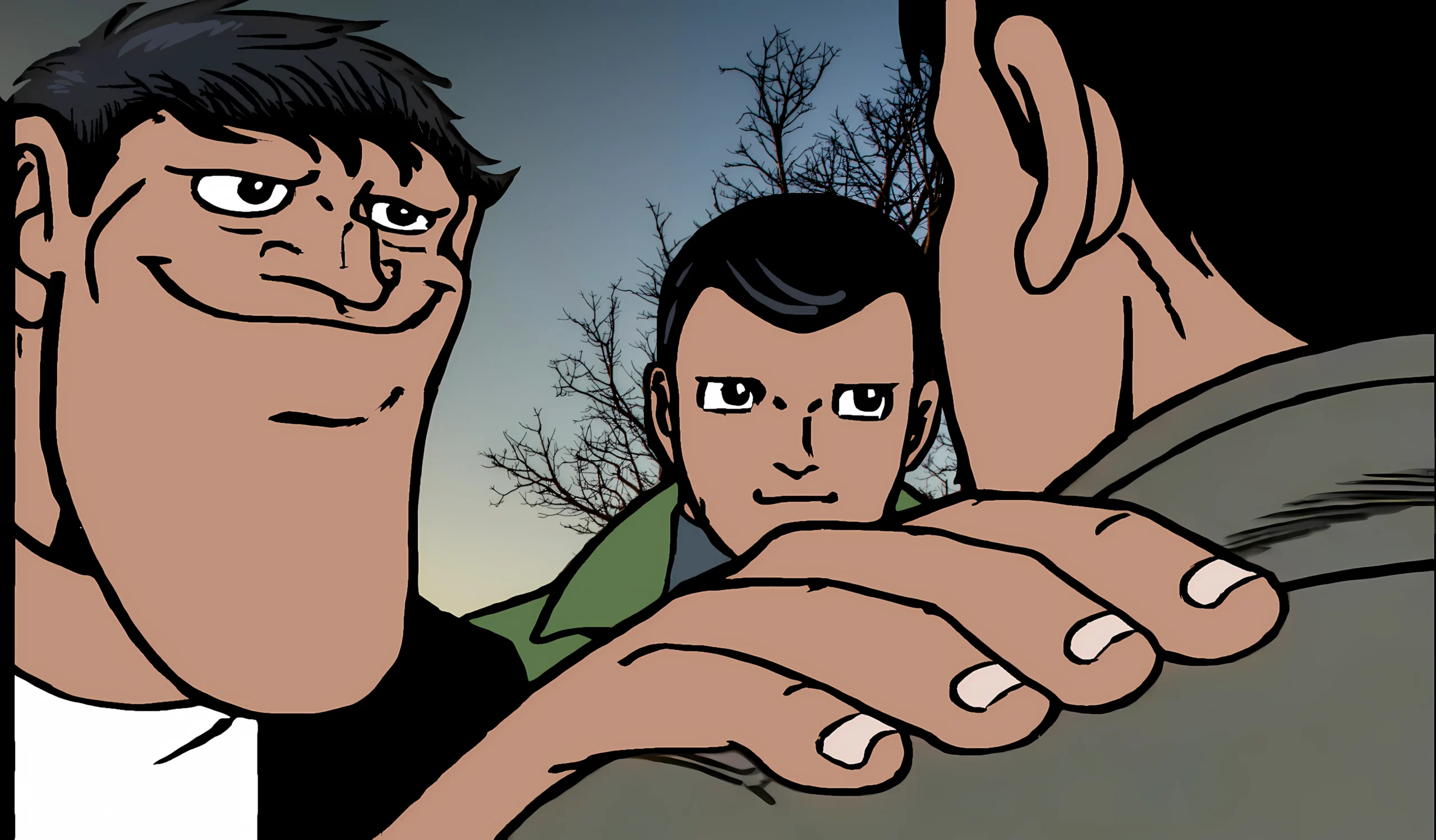
The exposé of high-profile affairs have routinely gripped the internet globally. In recent times, we have a hugging couple looking awkward on the Jumbotron and a property agency co-founder who resigned with the vice-president of strategy amidst allegations of impropriety.
I believe public mockery of cheaters can be justified and even helpful, as long as we protect and respect the people they have hurt. I think it’s perfectly congruent to acknowledge the tragedy of the situation for victims of cheating, but also deride cheaters with humour. It’s a look into how low people can stoop, and it’s always intriguing to see how someone blows up their own life. That said, we should be sensitive to the ones cheated on.
Some people argue that public outrage is a witch hunt, that we should stay silent out of compassion for both the cheater and the cheated. I agree that victims should not be violated again after being betrayed, but I am far less sympathetic to cheaters. They choose behaviour that they know can inflict deep pain on their partners. In many places there is little meaningful recourse for victims beyond ending the relationship, even when marriage vows are broken. Where the law barely touches cheating, social condemnation already feels like a lenient consequence for such betrayal.
I’m glad we laugh at cheaters, because it draws attention to the matter and brings ridicule to the sinners. While cheaters reside in the shadows, it’s always refreshing to see that the large majority of society continues to deride cheating when sunlight is shone on affairs. We may join in the discussion because we want to express our outrage, or because we are bored. However, the public condemnation of cheating does serve a purpose. It sends a resounding message that cheating is not some trivial act that should be condoned. The public furore acts to show that inherently, there is strong social disapproval of infidelity.
I would have loved for millions to commiserate with me over the internet, though everyone differs. Even as an observer to these publicly exposed affairs, the schadenfreude has done wonders for my personal healing. It vindicates my belief that I was right to end the relationship, and that my cheating ex was the one who was ultimately responsible.
It’s important to acknowledge that cheating often becomes a local spectacle. People will be curious about all breakups, and cheating only makes it an especially charged issue. Those who have been cheated on are often left disoriented. Who should they vent to? Should they keep quiet? I think seeing how most people react negatively to cheating, without victim-blaming, helps to break open that barrier of doubt and encourage them to seek support.
That said, the online vitriol can sometimes spill over to harassment of the victim. Even as outsiders criticise the cheater, there are the typical idiots who poke fun at those cheated on. Described as cucks, or questioned on their ability to hold a relationship, this is the vile victim-blaming we see conducted by cowards emboldened by anonymity. It’s vital to remember that there is an innocent someone who is actively suffering because of the actions of someone they once loved. No one deserves to go through this, and many of those cheated on have loved unconditionally. We may express our dissatisfaction with cheaters, but it’s also appropriate to call out victim-blaming by other commenters.
So, laugh away at immoral cheaters caught like deer in headlights. You’re doing a service to the true innocents: The ones who have been betrayed.
Take care of yourself. You’re stronger than you know, and you will get through this.
Join the Discussion on Reddit